Impact Partners is built for when change needs to land, not just get approved
You don’t get many chances to get this right.
Once a strategy is approved, things move quickly.
The focus shifts from alignment to delivery.
From planning to accountability.
From ideas to outcomes.
And that’s where the pressure really starts.


The pressure doesn’t come from deciding what to do, but in making sure the organisation can actually carry it.
Because once it’s in motion, it’s no longer theoretical. It plays out across teams, across priorities and across systems that weren’t always designed for this level of change.
That’s where things can start to stretch, or fragment, or quietly lose momentum.
Impact Partners is designed for this phase.
We work alongside your leadership team to hold alignment, strengthen how the organisation operates, and step in where delivery needs real support, so change doesn’t just get approved, it actually lands.
This work matters most in organisations where:
Change spans multiple teams and priorities, not just one initiative
Expectations are high, and delivery needs to match
Coordination is becoming more difficult as complexity increases
There’s limited tolerance for this to drift or lose momentum
The consequences of this not landing are significant
It’s rarely the strategy that causes the problem
At this stage the direction is usually clear. Where things become difficult is in how it plays out across the organisation, with work spread across teams, priorities competing, and decisions slowing as alignment becomes harder to maintain.
Over time, things don’t fail outright, but they stop holding together in the way they need to.
And that’s where momentum starts to slip.
What it
Looks Like Before
The strategy is clear, but delivery feels fragmented
Teams are moving, but not always in sync
Decisions take longer as alignment becomes harder
Momentum drops once the initial push settles
More of the pressure sits with leadership than it should
When it
Starts to Work
There’s a clearer view across the whole organisation
Work is better coordinated and connected
Decisions are made more easily and hold
Momentum continues beyond the initial phase
Leadership isn’t carrying it alone

Because at this stage, most organisations don’t need more activity.
They need clarity on where things are getting stretched, where alignment is breaking down, and what’s likely to become harder as momentum builds.
Before you push harder on change, understand what’s actually in the way.
That’s what the Change Alignment Session is designed to do.
A focused, working session with the leaders responsible for delivery, to step back, look at what’s really happening, and identify what needs to shift before pressure increases.
It’s practical.
Grounded in your organisation.
And focused on what will make a difference.
How we look at this with you:
We use what we call the Three6 lens to step back and look at how the organisation is working, not just on paper, but in practice. We look at:
the purpose you’re working towards, and whether it’s clearly translated into action
the people leading and delivering the work, and how aligned they really are
the systems and structures supporting it, how decisions are made, how work flows, how things are governed
and the experience of the people you serve, and whether the way you operate is enabling that
On their own, each of these can make sense.
But it’s how they connect, and where they don’t, that usually explains why things feel harder than they should
That’s what we surface; where things are aligned, where they’re working against each other and where the pressure is likely to build if nothing shifts.
What you’ll leave with
Within a few days, you’ll have a much clearer picture of what’s actually going on, and what needs to happen next.
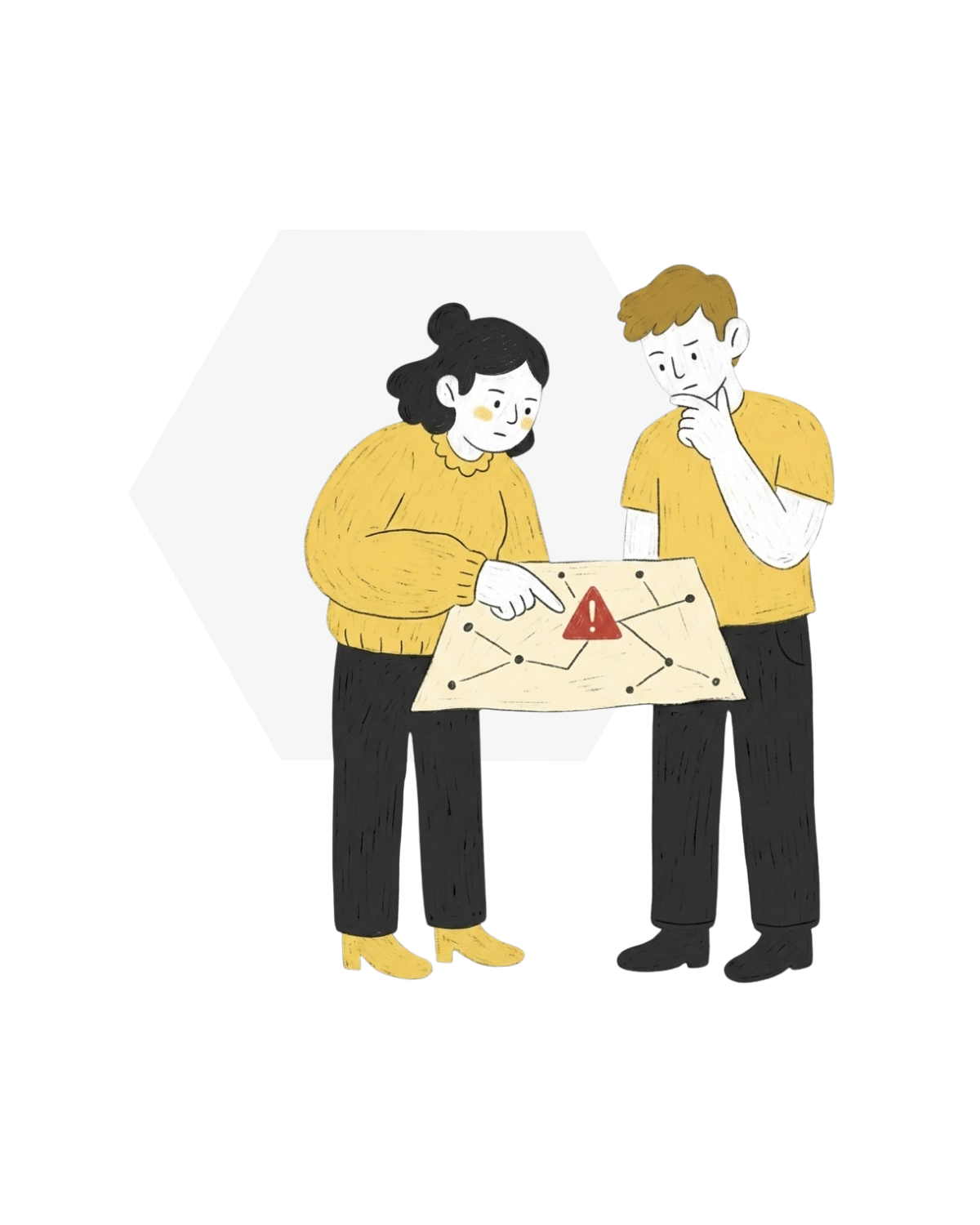
Where delivery is most exposed, and where it’s already working well
So you’re not guessing where the real risk sits
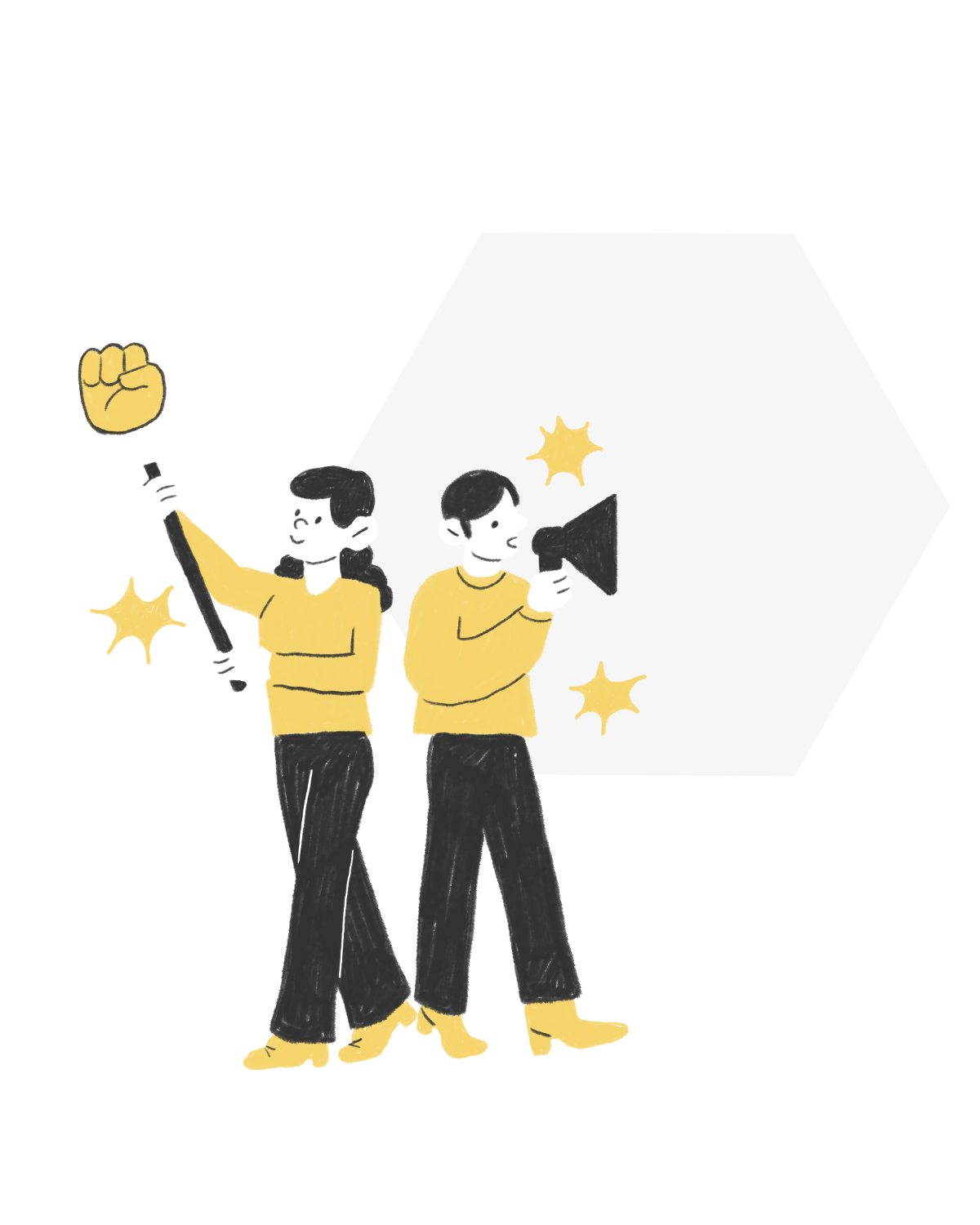
Where alignment is breaking down across teams, systems, and ways of working
And why things are feeling harder than they should
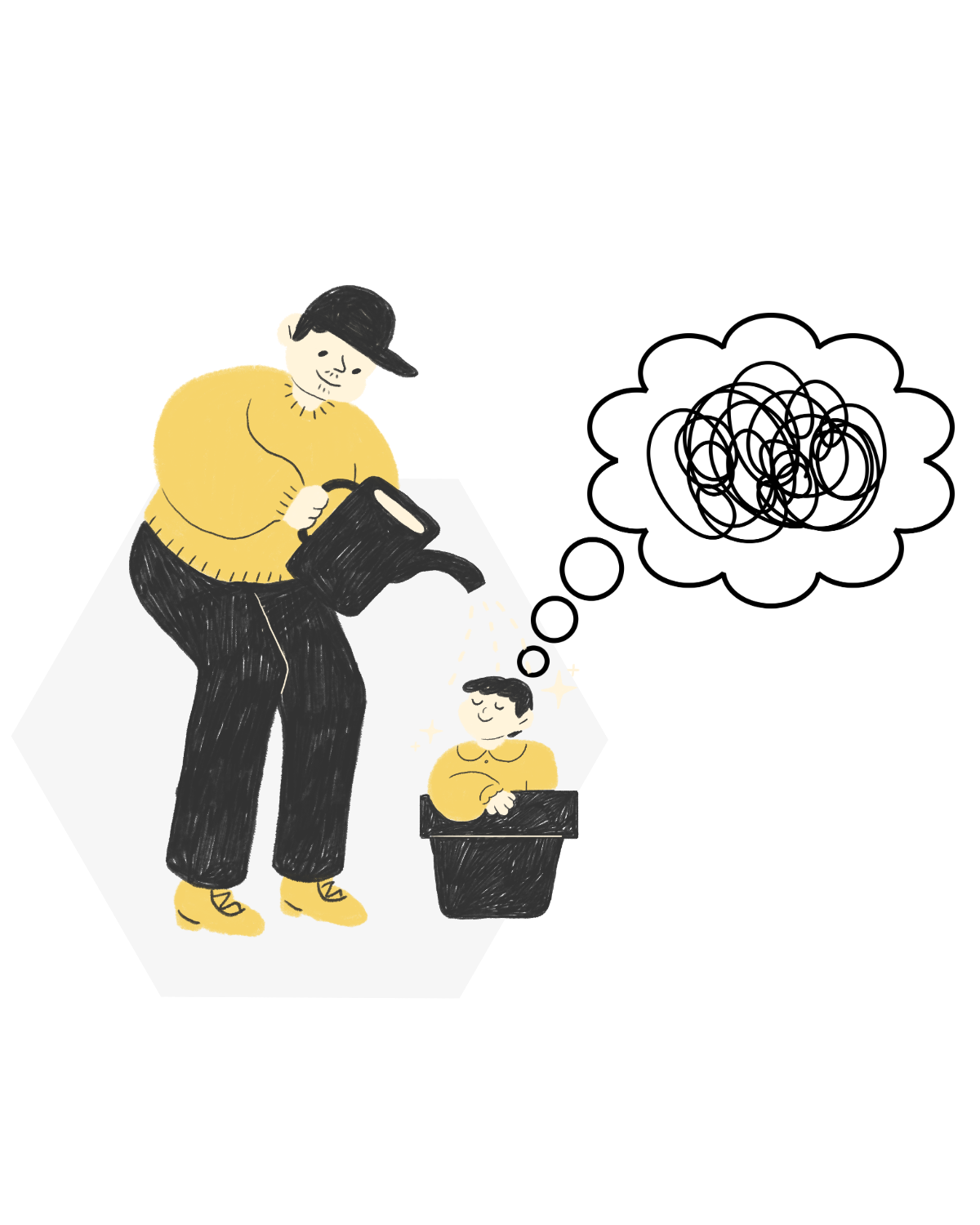
The few shifts that will make the biggest difference right now
Not everything that could change, just what matters most
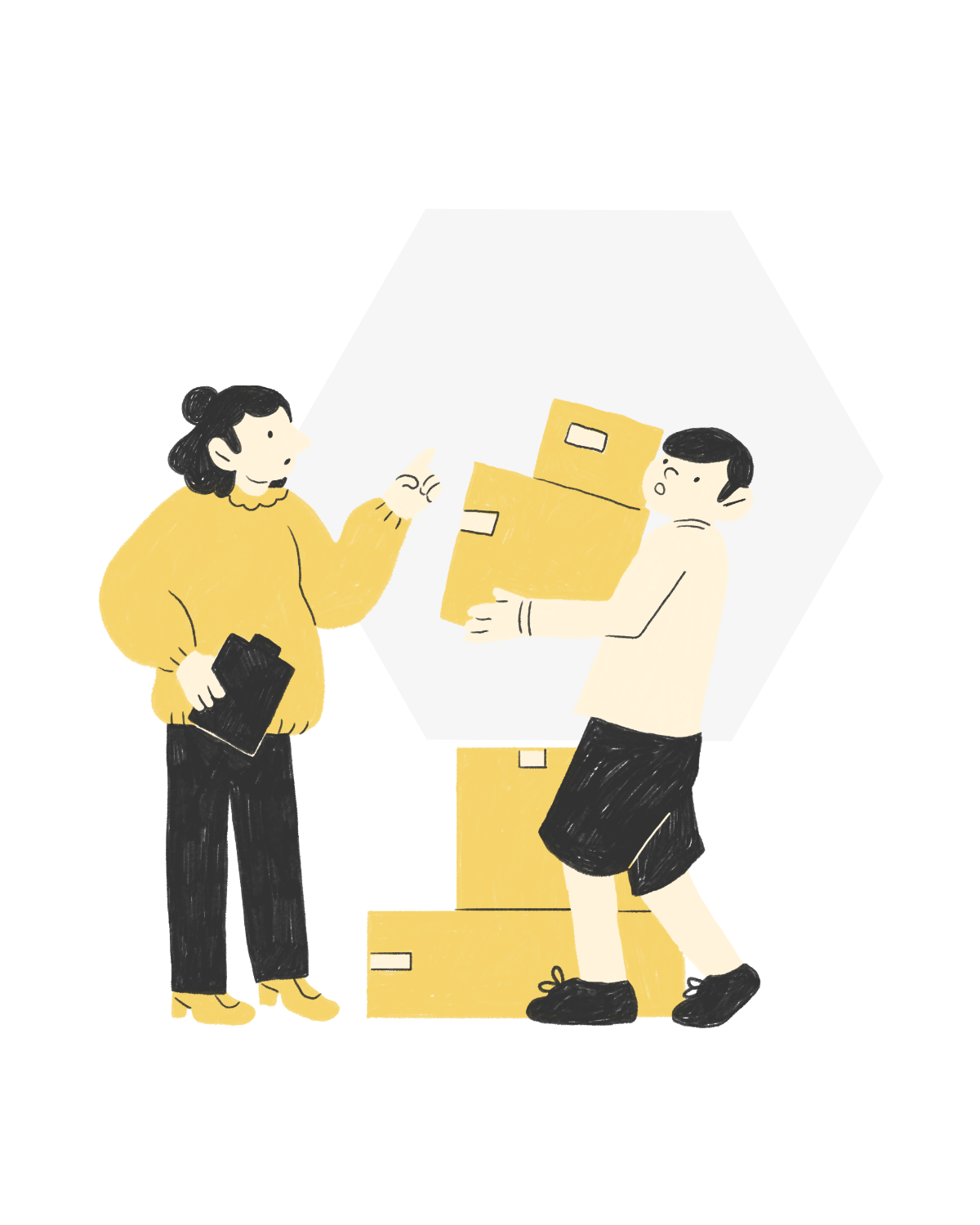
A clear 90-day focus and sequence
So momentum builds, rather than stalls
You’ll also have a clear summary you can take straight into your leadership team or board, and a short follow-up to help you stay on track.
There’s no pressure to continue
The session is designed to be useful in its own right. You’ll leave with a clear view of what’s going on and what needs to happen next, whether you choose to move forward with us or not.
If it makes sense to keep working together, we’ll talk about what that could look like. If not, you’ll still have something valuable to take back into your organisation.
How we work together
We work in a structured way, because making change stick takes more than good thinking, but how that shows up depends on what’s actually getting in the way.
BE MY TEAM
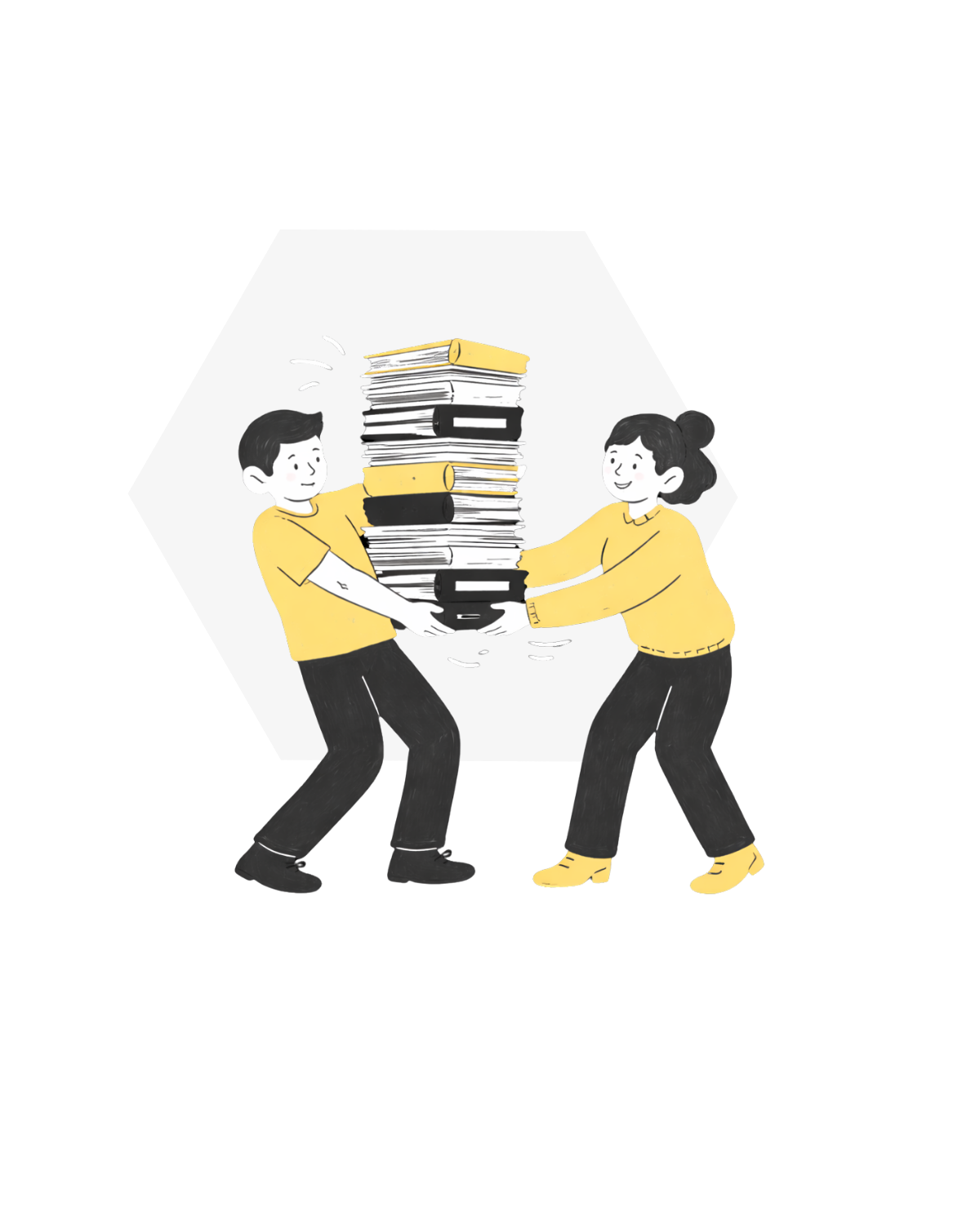
When there are gaps in capacity or capability, we step in directly.
That might mean leading a piece of work, coordinating delivery across teams, or taking ownership of something that needs to move.
Not sitting outside it, actually getting in and helping it happen.
This is suitable when:
There is no dedicated transformation team
Internal capacity is stretched
Delivery must move quickly
You need execution strength without hiring permanently
BOOST MY TEAM
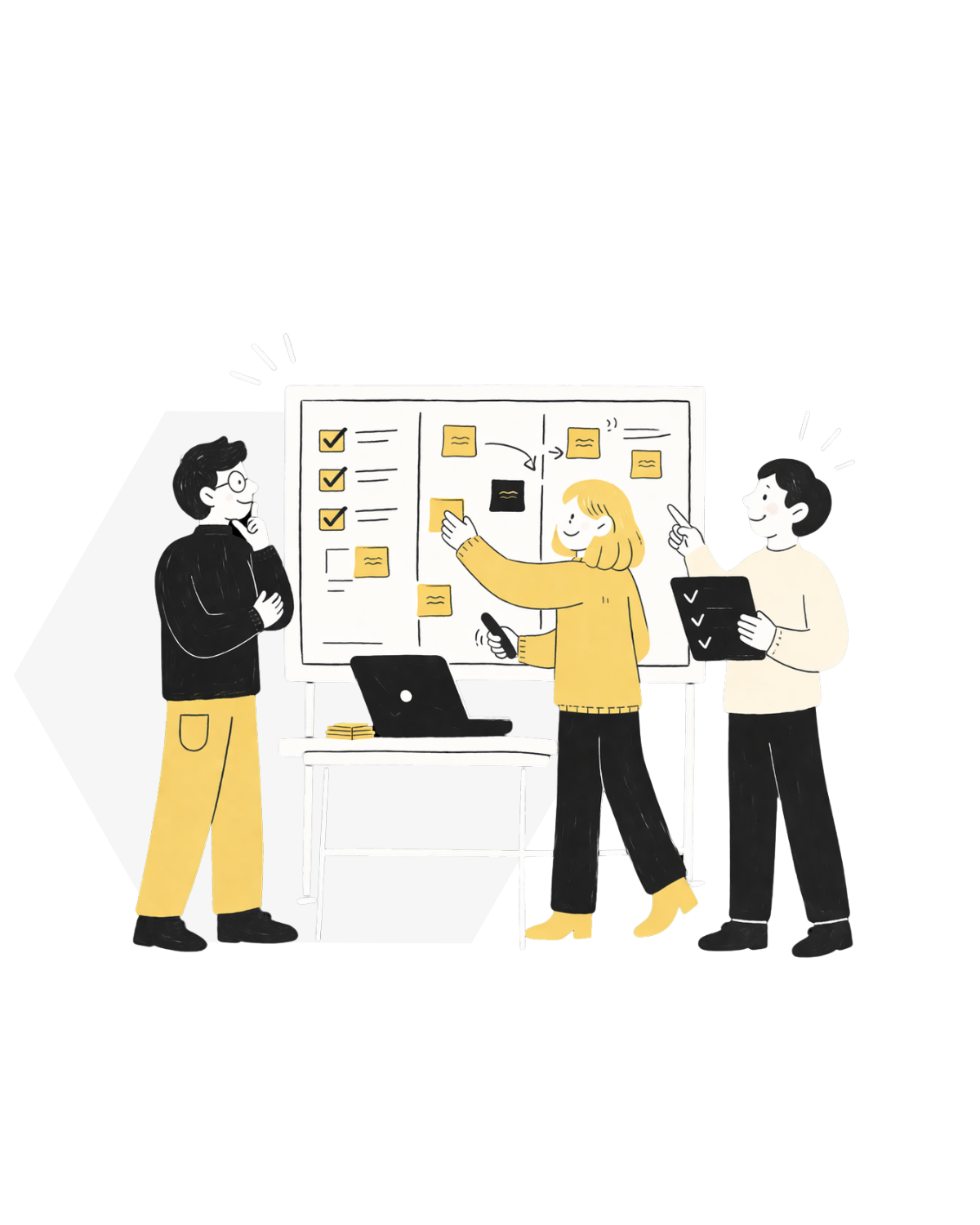
When the team is in place but needs strengthening, we work alongside them.
Bringing structure, clarity, and discipline to how decisions are made, how work flows, and how priorities are held. This is where alignment becomes real, not just agreed in a room.
This is suitable when:
The team exists but capability depth varies
Execution inconsistency exists across departments
Leaders need structured support without outsourcing ownership
SUPPORT MY TEAM
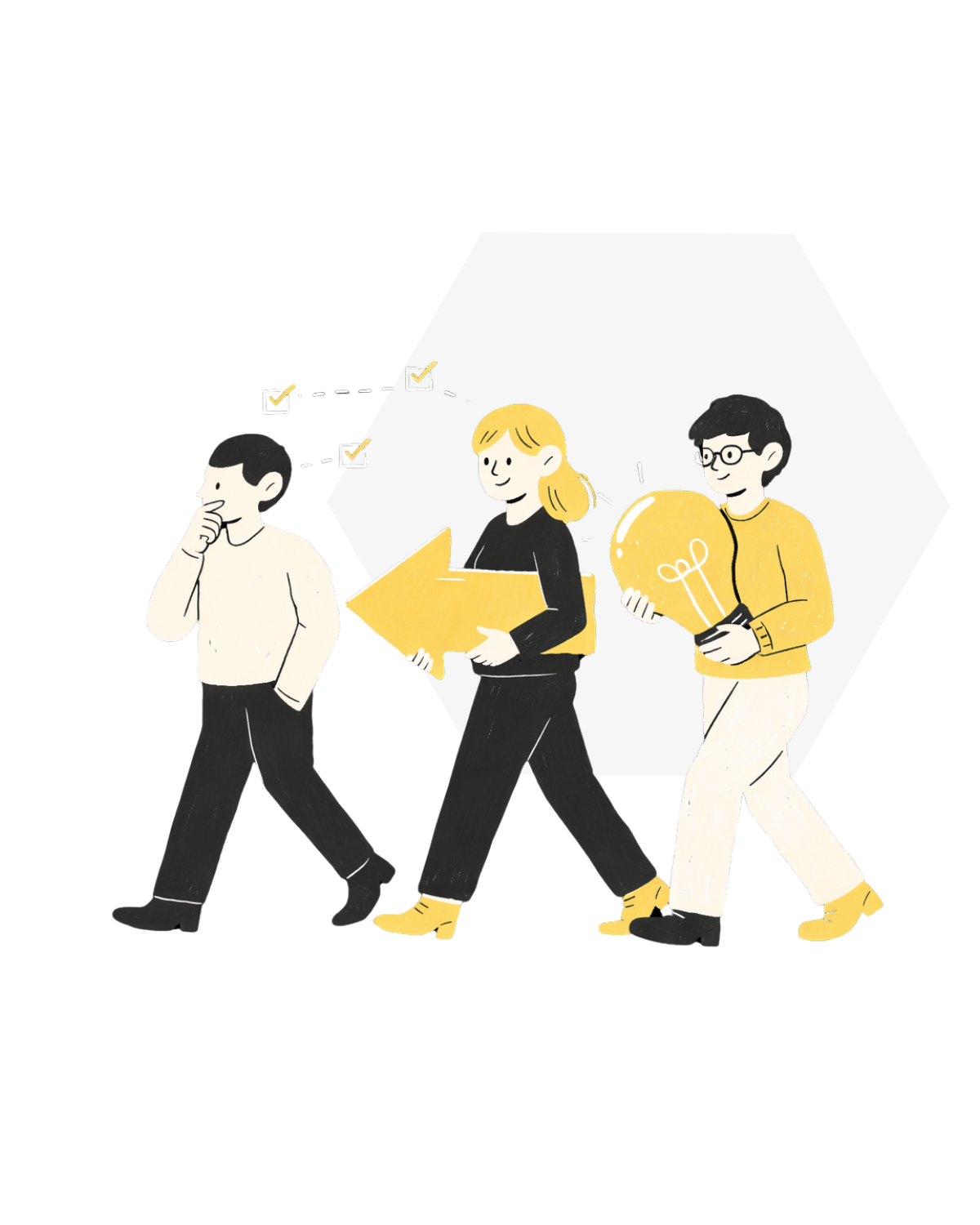
When what’s needed is experienced oversight, we stay close without taking over.
Helping you think through decisions, sequence change, and keep everything aligned as it evolves. So issues are addressed early, not once they’ve already slowed things down.
This is suitable when:
Leadership capability is strong
You need guidance and coordination
You want an experienced partner ensuring you stay on track
In practice, most partnerships move across all three. Because defining the direction, aligning the organisation, and delivering the work aren’t separate, they’re connected, and when one is off, the whole thing feels harder than it should.

What makes this different?
Most organisations don’t struggle because there aren’t enough ideas. They struggle because too many moving parts aren’t properly connected.
Different consultants.
Different assumptions about how it all fits together.
Different pieces of work.
Over time, that creates more complexity, not less.

Impact Partners is designed to avoid that.
You’re not managing multiple relationships or stitching together separate workstreams.
And you’re not re-explaining your organisation every time something shifts. You have one partner who understands the whole system, and stays close enough to keep it aligned as things move. And importantly, we don’t sit outside the work.
We step in where needed, shaping decisions, designing how things work, and supporting delivery in practice.
So the thinking and the doing stay connected, and the change has a much better chance of actually holding.
If this is the level of change you’re navigating, it’s worth a conversation.

We’ll step back with you, look at what’s really going on, and help you get clear on what will make the biggest difference, whether that’s how the work is structured, how it’s being delivered, or where the pressure is likely to build next.
No pressure. Just a conversation that’s useful.
We only enter partnerships where we believe we can make a real difference. If Impact Partners isn’t the right fit, we’ll tell you honestly and point you in the right direction.